I’ve been investing since 2016, and while I’m far from a financial guru, the past decade has taught me a few practical lessons worth sharing. If you’re just getting started—or thinking about it—these are some of things, which I believe to be fundamental to someone starting.
Know Where Your Money Goes
Before investing a single euro/dollar/etc, you need to understand your financial baseline. How much do you actually spend every month? How much is left after bills, groceries, subscriptions, and everything else?
Most people underestimate their expenses, and that’s the first mistake. When I started building ExpenseAutomator that's what I had in mind. I wanted to know into the detail how much I spent, where I spent it, and whether I could change some behaviours. Being aware of it, is What matters. You can’t improve what you don’t measure.
Build an Emergency Fund (Yes, It’s Boring—But Essential)
Everyone wants to skip straight to investing, but your first “investment” should be your emergency fund. It’s the safety net that prevents you from going backwards when life happens.
If you’re a full‑time employee, I recommend saving around six months of living expenses. Self‑employed? You’ll need more buffer—many people suggest twelve months, though I’ve never been self‑employed, so your mileage may vary.
Where do you keep this money? Somewhere safe and accessible, not invested in the stock market. If you are in Ireland, or other European countries, a simple savings account in Revolut, AIB, Bank of Ireland (BOI), or similar is perfectly fine. This is money you hope never to use, but you’ll be very grateful to have it when you need it.
Treat Investing Like a Monthly Bill
Most people follow this pattern:
- Pay bills
- Spend on fun
- If something is left, invest it
This is the wrong order.
Flip it around: treat investing as a mandatory monthly bill—one you pay to your future self. Automate it so you don’t rely on willpower or leftover cash. This single shift changes everything.
Understand Your Country’s Tax Rules
Investing isn’t the same across Europe. Every country has its own tax rules, and they matter more than beginners expect.
Take Ireland as an example: current rules around ETFs make them unattractive for many investors due to how gains are taxed, and the so called Deemed Disposal that happens every 8 years. That doesn’t mean investing is off the table—it just means you need to understand the implications of where you are tax resident before choosing your strategy.
Pension Funds Are Popular—But Not My Favourite
Irish investors love pension schemes due to generous tax benefits. Personally, I only contribute the minimum. Most of my investing happens outside pensions because I prefer having flexibility and control in the short and medium term. But this is a personal choice—your priorities might differ.
Why I Pick Dividend Stocks
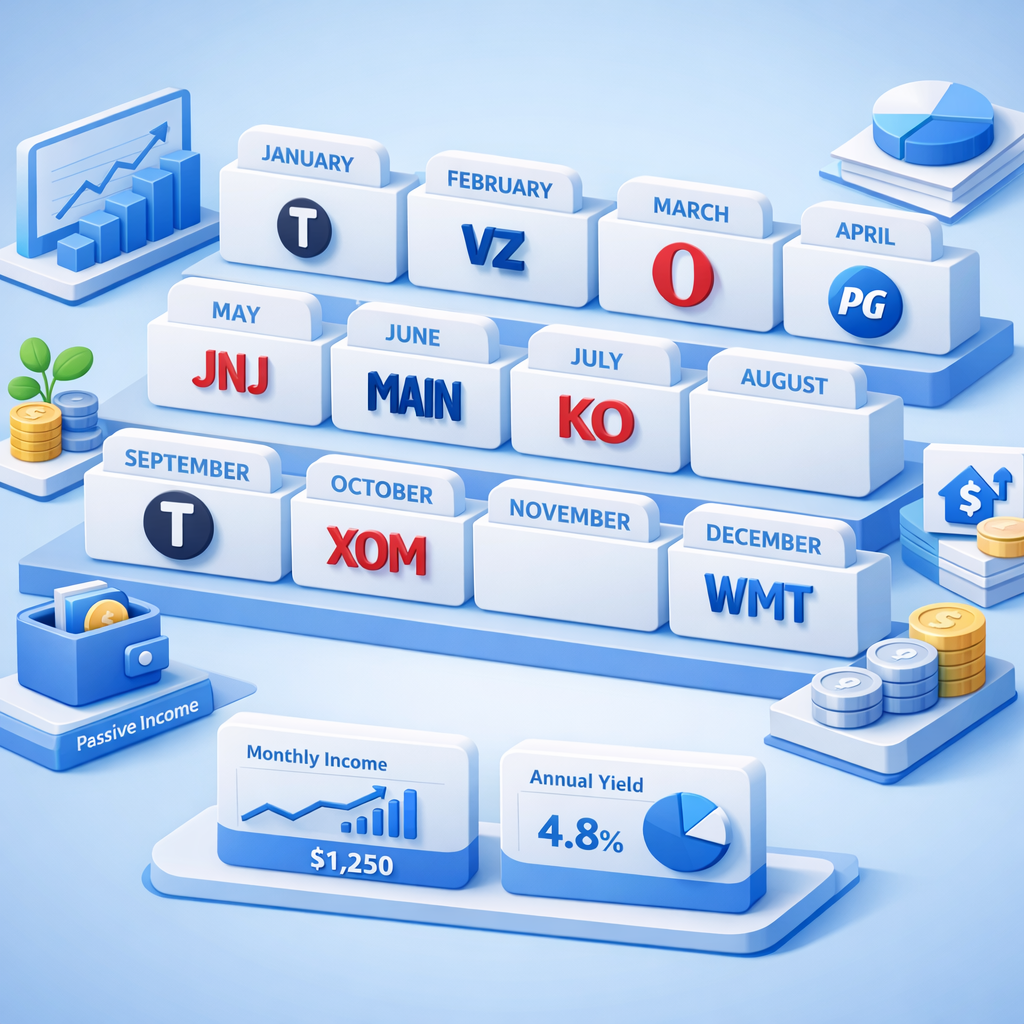
My strategy leans heavily toward dividend‑paying companies. Yes, dividends are taxed when they’re paid out. But there’s something psychologically powerful about receiving a small amount of money every month or quarter. It builds momentum and reinforces your long‑term mindset.
Focus on Earning More Money
Saving helps. Investing helps. Compound interest helps.
But the biggest accelerator of all is simple: earn more.
Increasing your income—through career growth, skills, side projects—does more for wealth building than shaving €20 off your grocery bill. This part isn’t easy, but it changes everything.
Comments 0
No comments yet. Be the first to comment!
Leave a comment